Artificial intelligence (AI) has fundamentally shifted from a speculative technology to the principal driver of industrial growth in the modern era. Across every major sector, AI is being deployed to optimize processes, unlock new efficiencies, and generate forms of value that were previously impossible. This growth is not uniform but is built on a foundation of core AI technologies—primarily machine learning, computer vision, and natural language processing—that are creating smarter, faster, and more predictive industrial ecosystems.
Manufacturing: The Dawn of the Intelligent Factory
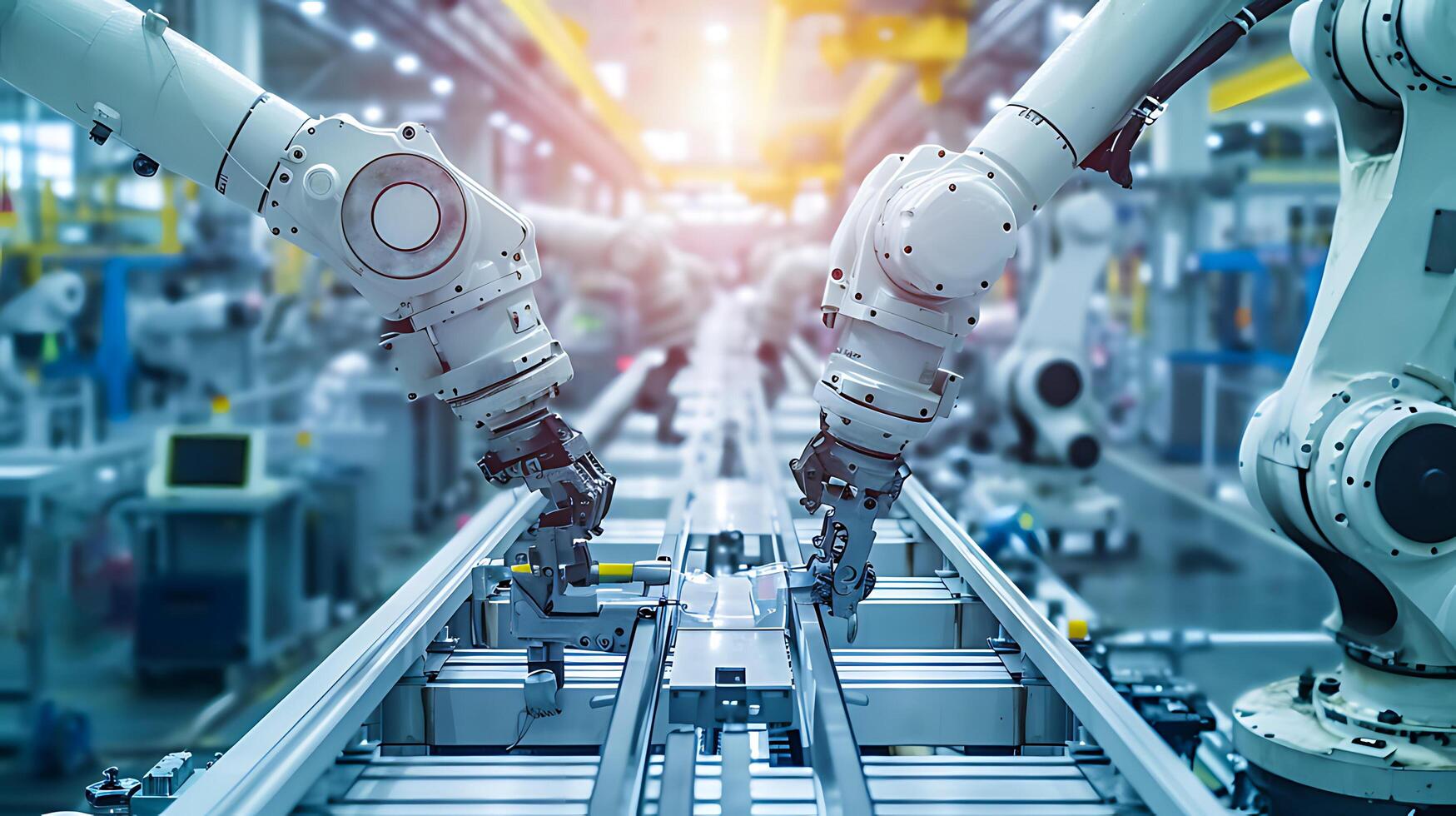
The manufacturing sector is undergoing a profound transformation, moving from simple automation to "Industry 4.0," a new phase of interconnected and intelligent production, all powered by AI.
Predictive Maintenance: The most significant financial impact of AI in manufacturing is its ability to eliminate unplanned downtime. Machine learning algorithms analyze data from sensors on assembly lines and heavy machinery. By detecting subtle fluctuations in temperature, vibration, or sound, these systems can predict component failure with high accuracy. This allows companies to schedule maintenance proactively, saving millions by preventing catastrophic breakdowns and optimizing repair schedules.
Generative Design: AI is revolutionizing the creative process of engineering. Engineers can input specific goals and constraints for a new part—such as weight, material, and stress tolerance—and an AI algorithm will generate thousands of high-performing design iterations. This process, known as generative design, often results in highly efficient, lightweight structures that a human engineer might never have conceived of, leading to better products, from more aerodynamic car parts to stronger, lighter aircraft components.
AI-Driven Quality Control: Manual inspection is a slow, error-prone bottleneck. Today, high-speed cameras integrated with computer vision models scan products on the assembly line in real-time. These AI systems can spot microscopic defects, cracks, or alignment issues with greater speed and reliability than the human eye, ensuring that quality standards are met while dramatically increasing throughput.
Healthcare: Enhancing Diagnostics and Personalizing Care
AI is augmenting the capabilities of medical professionals, leading to faster diagnoses, more effective treatments, and streamlined operations, thereby fostering growth in both patient outcomes and provider efficiency.
Superior Medical Diagnostics: AI, particularly deep learning, has become a powerful tool for analyzing medical imagery. It can review MRIs, CT scans, and X-rays to identify tumors, brain lesions, or tiny bone fractures that may be missed by a human radiologist. This leads to earlier detection of diseases, which is critical for successful treatment.
Operational and Administrative Efficiency: A significant portion of healthcare costs is tied to administration. Natural Language Processing (NLP) tools are now used to automate clinical documentation. An AI system can listen to a doctor's conversation with a patient and automatically transcribe, summarize, and file the notes into the electronic health record. This frees up medical staff from hours of paperwork, allowing them to focus on patient care and increasing a clinic's overall capacity.
Accelerated Drug Discovery: The development of new pharmaceuticals is a notoriously long and expensive process. AI models can analyze vast biological and chemical datasets to identify promising compounds for new drugs and predict their potential effects. This significantly accelerates the research and development phase, allowing new, life-saving medicines to reach the market faster.
Finance: Building a More Intelligent and Secure System
The financial industry, which runs on data, uses AI to manage risk, secure transactions, and personalize services at a massive scale.
Real-Time Fraud Detection: AI is the primary defense against modern financial crime. Machine learning algorithms monitor millions of transactions simultaneously, analyzing user behavior, location, and purchase habits. The moment a transaction deviates from an established pattern, the AI can flag it as potentially fraudulent and block it in milliseconds—a task far beyond human capability.
Algorithmic Trading: In the world of high-frequency trading, AI models execute the vast majority of trades. These systems analyze market data, news feeds, and social media sentiment to predict stock price movements and make trades faster than any human, capitalizing on fleeting market opportunities.
Personalized Banking and Credit: AI is enabling more accurate and inclusive credit scoring. By analyzing thousands of data points beyond a simple credit report, AI models can build a more holistic picture of an applicant's financial health. This allows banks to more accurately assess risk and extend credit to individuals who might have been overlooked by traditional models.
Logistics and Supply Chain: Optimizing Every Move
AI is the brain of the modern supply chain, managing the immense complexity of moving goods around the world with unprecedented efficiency.
Warehouse Automation: Modern fulfillment centers are powered by AI. Autonomous robots navigate warehouse floors to pick, sort, and pack orders. AI systems optimize the physical layout of the warehouse, placing high-demand items in the most accessible locations, and even calculate the most efficient routes for human pickers to follow, dramatically speeding up order fulfillment.
Intelligent Demand Forecasting: One of the biggest challenges in logistics is matching supply with demand. AI models analyze historical sales data, seasonal trends, weather forecasts, and even current events to predict consumer demand with high accuracy. This allows companies to optimize their inventory, preventing costly overstocking and lost sales from stockouts.
Route and Fleet Optimization: AI systems are at the heart of modern logistics, planning the most efficient routes for delivery trucks. These algorithms continuously analyze real-time traffic, weather, and fuel costs to reduce delivery times and operational expenses, ensuring goods are delivered faster and at a lower cost.
How AI Is Powering Industrial Growth in Today’s World
Cryptofor Team
•
September 28, 2025